About Coach Brian
I strive to educate, equip, and support you through the week you’re actually having.
Former college soccer player, certified strength and conditioning coach, and the builder of PitchReady. Here’s why I coach the way I do.
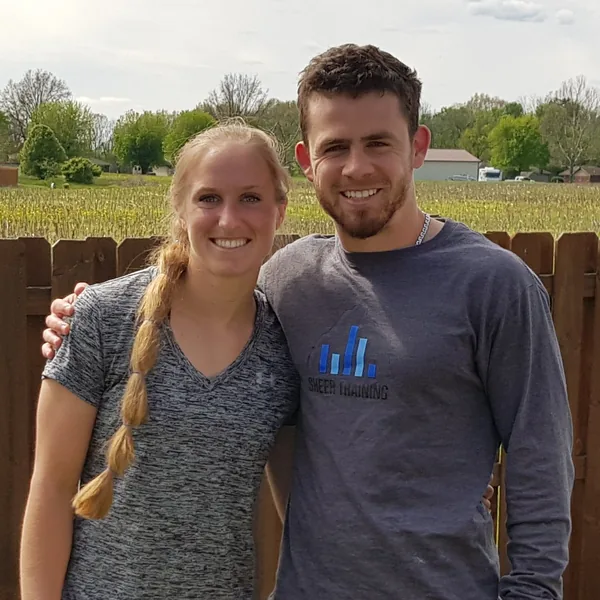
My story
I got into training as an undersized high school athlete. I had skill from years of practice and playing, but when I started earning varsity minutes as a freshman, my size and physical confidence were glaring problems. I couldn’t change my height, but I could get stronger, faster, and more stable, so I could battle physically and play with confidence.
In college, I started training with an app that gave me video demos, write-ups, and a way to track my progress wherever I was. Being able to learn and apply at my own pace became a huge part of how I kept pushing myself.
After college, I studied and got certified to design and coach training programs. I loved building specific plans for specific outcomes, and I followed my own with very high adherence. An intentional plan felt powerful.
Then life got busier. As a working professional, following a program to the letter got harder, and I leaned on self-discipline to keep up. I thought that was simply what it took. Discipline matters, but it isn’t the whole solution. Now that I’m a dad, I need a much more flexible approach to training that still moves me forward.
My own seasons of life mirror what I’ve seen coaching others. I’m not against programs. They can work wonders when they’re followed well. But they need the right time, the right place, and a high enough personal priority to be useful, so most of the time they aren’t enough to handle everyday life as a soccer player, a multi-sport athlete, or a busy adult. Where people get stuck is navigating constraints that change every week: where they can train and with what equipment, how much time they have, and what to focus on based on how they feel.
Real change comes from consistently doing something different than you were before, and it speeds up when you regularly challenge yourself. You can still pursue mastery and progression, but your sessions need to adapt around your week gracefully to last. That’s why I built PitchReady, and it’s how I approach coaching others today.

The bars and the mountain
The bars are your abilities: strength, speed, mobility, conditioning, and more. Everyone starts at different heights, and as you train, your bars rise.
The mountain is a goal that matters to you, like making varsity, finishing a race, or feeling strong enough to keep up with your kids. The bars sit inside the mountain on purpose. When your baseline health and ability are higher, every goal starts from a better place.
In PitchReady, this idea lives on as movement standards: targets on key exercises that you can work toward at your own pace.
“We rise alone, and we rise together.”
Training with others is awesome, and you should do it whenever you can. But you don’t need another person to commit to your own progress, and you shouldn’t rely on someone else’s motivation or schedule to keep moving forward. Training with others and training on your own both make an impact, and both are within your reach.
Design your environment
When willpower runs low, your surroundings make many of your decisions for you. Two simple levers do most of the work.
Keep it in sight (cues)
Put reminders of what you want to do where you’ll see them, and tuck away what you don’t. Adding the training app to your home screen and setting a daily check-in reminder makes it easier to remember to check in and use it. Keeping sweets out of the house, or tucked away out of sight, makes them less likely to grab your attention.
Make it easy to start (friction)
Remove the steps between you and the actions you want to take, and add a few steps to the ones you want to do less. Having protein, veggies, and fruit already prepped in your fridge makes them easy grab-and-eat options during a busy week. Setting a sleep routine on your phone, and giving it a different room to stay in while you wind down in the evening, makes it less likely you’ll stay glued to it.
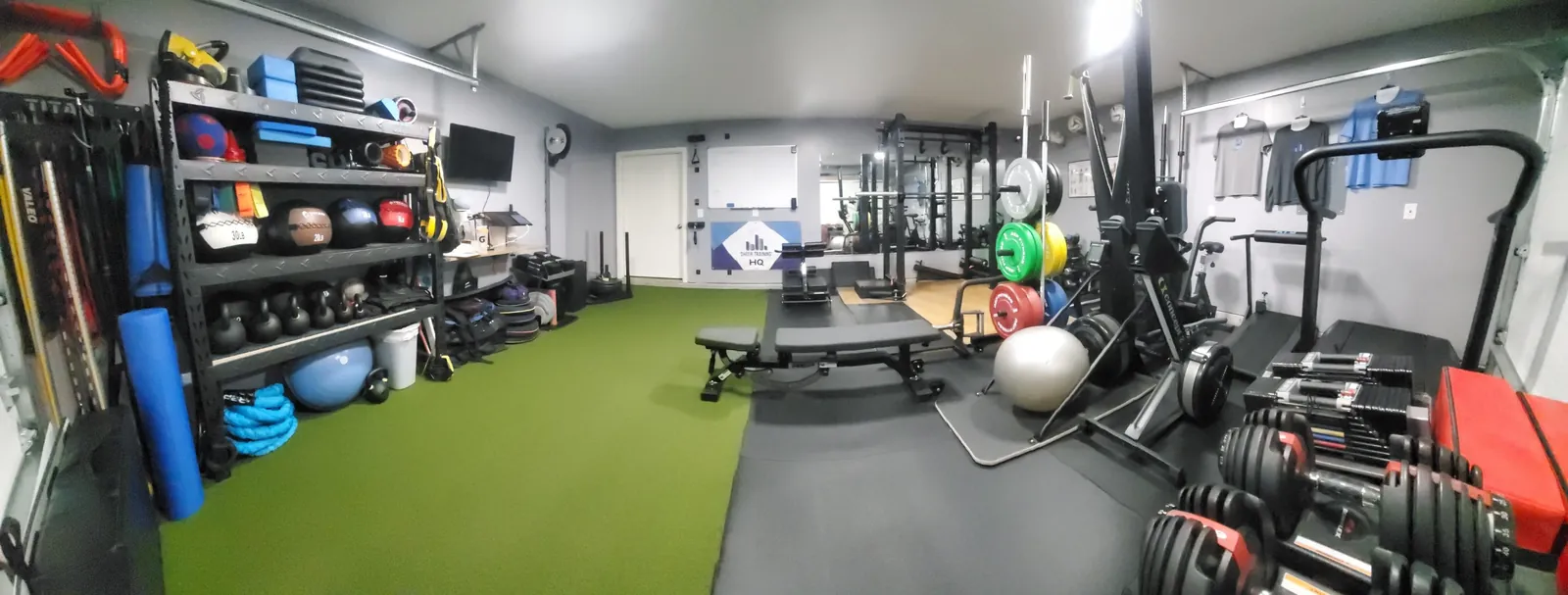
I call these cues and friction, and small changes to either add up fast to help you sustain the changes you want to make in your life. My home gym is a personal example: I built it gradually over a couple of years, adding what I needed to enjoy training and coaching at a high level, while keeping everything organized so it can be quickly grabbed and used.
Certifications
Where the certifying organization offers a public lookup, I link straight to it.
- Certified Strength and Conditioning Specialist (CSCS)Issuer verifiedNational Strength and Conditioning Association
- ATG Certified Level 1 CoachAthletic Truth Group
- Certified Personal Trainer (CPT)National Academy of Sports Medicine. Valid through May 2027.
- Level 1 Certified Nutrition CoachIssuer verifiedPrecision Nutrition
- Level 2 Certificate in Coaching FootballThe FA and 1st4sport Qualifications (UKCC)
- Senior Fitness Specialist (SFS)National Academy of Sports Medicine
- Certified Online Trainer (OTA1)Online Trainer Academy
- Adult and Pediatric First Aid/CPR/AEDIssuer verifiedAmerican Red Cross. Valid through March 2027, certificate ID 01RTEFO.
Train with me
Find the coaching that fits you, or send me a question first.